Posted by Paul on Jul 27, 2026, 3:28 PM


Higgins Heritage Park
Higgins Heritage Park is a volunteer-run collection of working museums set in a peaceful rural valley at 222 Pigeon Valley Road, Wakefield, near Nelson. Its purpose is to preserve and showcase New Zealand’s transport, forestry, steam, farming and rural-life heritage so that visitors can experience the ingenuity and hard work of earlier generations.
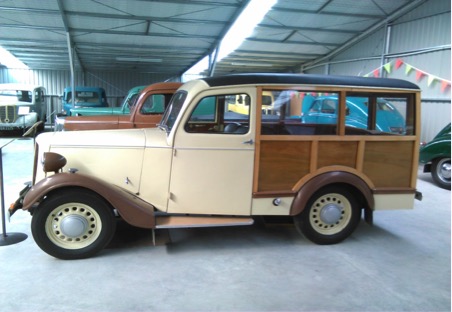
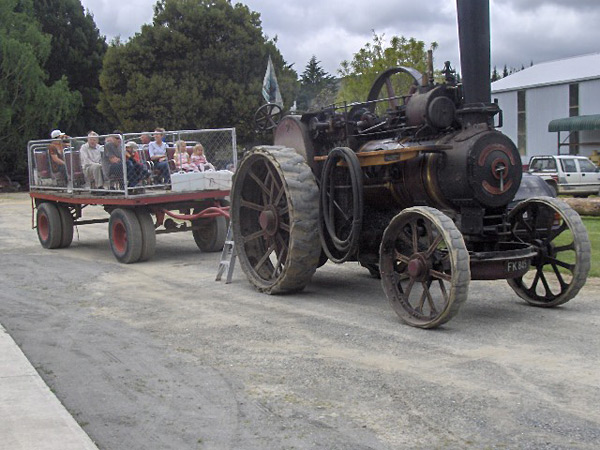
The park is home to several specialist groups and collections. The Pigeon Valley Steam Museum features traction engines, stationary boilers and “Big Betsy,” believed to be New Zealand’s largest portable steam engine. On the first Sunday of most months the engines are steamed up, offering free trailer rides pulled by a traction engine and trips on the bush-tramway jigger. The Historic Transport Museum displays vintage trucks and vehicles, while the Nelson Vintage Engine & Machinery Club shows small engines, tractors and haymaking equipment. Rare items include a 1913 International 15 hp tractor (thought to be the last original example in the world) and a restored 1918 R & P tractor, one of only three remaining.
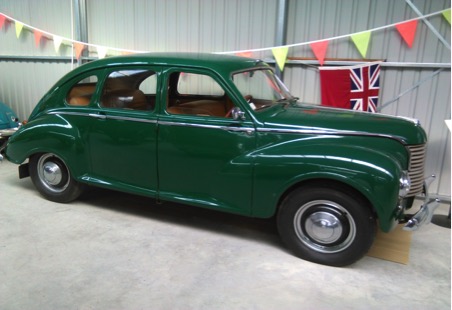
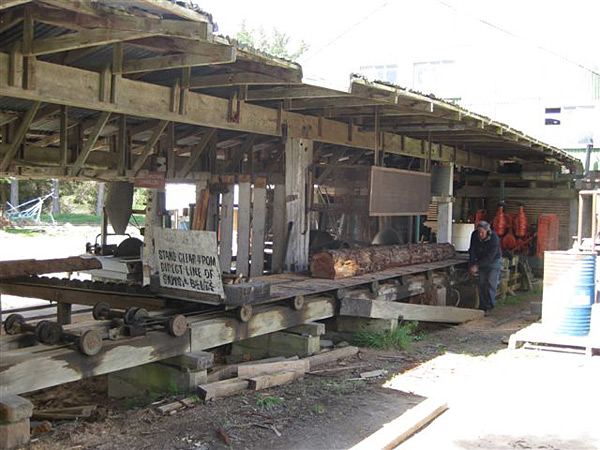
Other attractions include a working vintage sawmill, early logging tools and chainsaws, the Golden Downs Forestry Hut, the Ray Win Collection of Jowett cars and speedway bikes, model railways, an Army Group Centre with living-history displays, and the Rover Car Club’s old-style garage complete with antique petrol pumps. Visitors can also explore rural-life exhibits, watch model trains, or try knife-making in the blacksmith shop.
Open days are held on the first and third Sundays from September to April (10 am–3 pm), with steam-ups on the first Sunday. In winter the park opens on the first Sunday of each month. Entry is $5 for adults; children under 13 are free. NZMCA members can camp overnight for a small fee.
The park offers a relaxed, family-friendly atmosphere with picnic areas on the village green. Passionate volunteers keep the machines running and the stories alive, making Higgins Heritage Park a rewarding destination for anyone interested in New Zealand’s mechanical and rural past.
Origins of the Sawmill at Higgins Heritage Park
Ross Higgins, a local farmer, had a lifelong love of steam machinery that began while working at his grandfather’s mill in the Ronga Valley, Rai Valley, Marlborough. He dreamed of creating a private steam museum.
In 1970 Ross and others first discussed building a sawmill. A possible government grant of $250,000 raised hopes, but the funding never arrived and other approaches to councils and businesses also failed.
In 1973 Ross Higgins and retired sawmiller John Christian decided to build a replica 1920s sawmill on Ross’s property in Pigeon Valley. At first the mill was powered by an IHC WD40 diesel bulldozer engine. By 1980 John’s eyesight was failing and he handed the whole operation over to Ross. The diesel engine failed beyond repair in 1981.
In 1984 Ross bought a 1906 10 hp Marshall portable steam engine for $10,000 and converted the mill to steam power, using plans based on Brownlee’s 1876 Havelock Mill. The counter shaft was designed by engineer Kelvin Cochrane and supported by beams from the Waiau Bridge (donated by Duncan Rutherford). Other parts came from the Waitaki Picton freezing works.
The Marshall initially seemed under-powered, which may explain why steam had been replaced by electricity decades earlier. Ross persevered, refurbished the engine and fitted pulley belts from Brownlee’s Rau Rau mill. This allowed the display of a working steam-powered sawmill that reflected an important part of New Zealand’s early industrial history.
Today, regulations and costs make it impractical to run the sawmill on steam.